

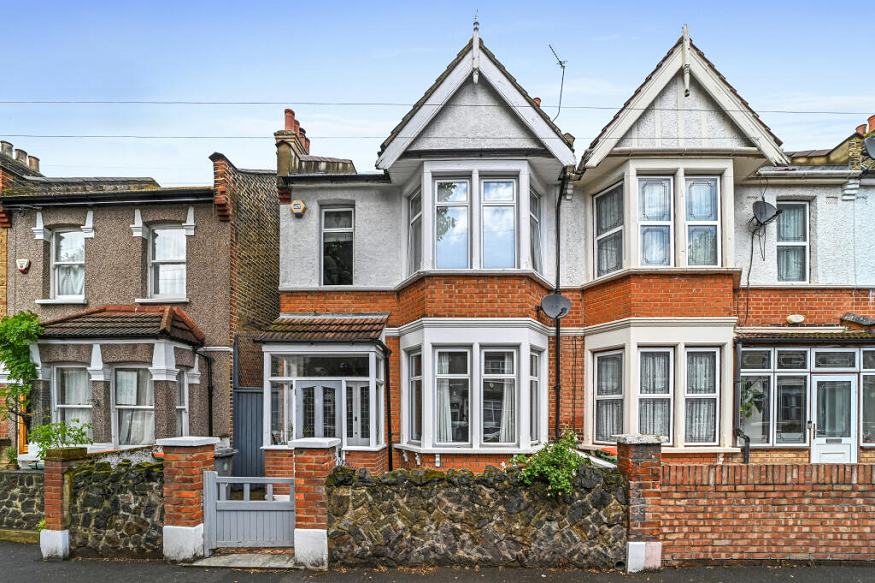
The property market in Hove has always had its own distinct rhythm. While Brighton often grabs the headlines for its vibrant energy, Hove offers a more refined, architectural elegance that has long attracted a mix of London commuters, growing families, and downsizers. However, as we approach the first quarter of 2026, the landscape is shifting. The conversation around the dinner tables in the Poets’ Corner or the villas of the Avenues has moved on from simple house prices to something more complex: energy efficiency and digital integration. Finding the right estate agents in Hove has become about more than just a ‘For Sale’ board; it’s about finding a partner who understands the intersection of sustainability and software.
By 2026, the “green premium” is no longer a buzzword—it is a financial reality. Buyers are scrutinising Energy Performance Certificates (EPCs) with the same intensity they once reserved for kitchen finishes. At the same time, the way we value these homes has undergone a quiet revolution. The traditional walk-through valuation is now supported by a layer of digital intelligence that would have seemed like science fiction only a few years ago. If you are planning to move, invest, or let out a property in Hove in early 2026, here is what you should expect from the local market.
The Green Home Mandate: Beyond Double Glazing
For decades, property value in Hove was dictated by proximity to the seafront or the station. While those factors remain vital, a new pillar of value has emerged: the home’s carbon footprint. By Q1 2026, the UK’s transition toward Net Zero has moved from policy documents into the actual deeds of our homes.
Local estate agents are seeing a clear divide in the market. On one side, we have “future-proofed” homes—properties where owners have already invested in air-source heat pumps, high-grade internal insulation, and EV charging points. On the other, we have the “retrofitting projects.” In a high-interest, high-cost-of-living environment, the modern buyer is increasingly wary of the latter. They want a home that is cheap to run from day one.
In Hove’s famous Regency and Victorian terraces, this presents a unique challenge. How do you make a Grade II listed building energy-efficient without stripping away the character that makes it valuable? Leading agents in the area are now expected to be part-time energy consultants. They should be able to explain the benefits of slimline vacuum glazing or breathable lime plaster to prospective buyers who are worried about heating costs. If an agent cannot talk knowledgeably about the difference between a hybrid boiler and a full heat pump system, they are likely to fall behind in the 2026 market.
Read More: How to Sell Your London Property Fast in a Competitive Market
The Evolution of Digital Valuations
The days of an estate agent simply looking at three similar sales on the same street and “sticking a finger in the air” are over. By the start of 2026, digital valuations have become incredibly sophisticated. We are seeing the rise of AVMs (Automated Valuation Models) that use hyper-local data to provide a baseline price.
But the real change is in how these tools are used. A modern valuation now incorporates “Big Data” that looks at everything from local school catchment performance trends to the planned installation of new cycle lanes on the Hove seafront. These digital tools allow for predictive pricing. An agent can now show a seller not just what their house is worth today, but how the value might fluctuate based on different economic scenarios over the next twelve months.
However, technology has not replaced the human element. In fact, it has made the local expert more important. While a computer can tell you the average price per square foot in BN3, it cannot feel the “flow” of a house or understand the specific appeal of a south-facing garden on a particular street. The best agents are using digital valuations as a foundation, then layering their personal experience on top to find the “sweet spot” that triggers a bidding war.
Virtual Reality and the “Phygital” Viewing
By Q1 2026, the “first viewing” almost always happens on a screen. We have moved far beyond grainy 360-degree photos. High-fidelity Virtual Reality (VR) tours are now standard for mid-to-upper-market properties in Hove. These tours allow a buyer in London or even overseas to walk through a property, open cupboards, and see how the sunlight changes in the living room at different times of the day.
This “phygital” approach—a blend of physical and digital—saves time for everyone. It means that when a person actually books a physical viewing, they are already 80% convinced. They aren’t there to see if they like the layout; they are there to “feel” the atmosphere and check the small details. For sellers, this means fewer wasted weekends and a more streamlined sales process. For landlords, it means shorter void periods as prospective tenants can sign leases with more confidence from afar.
The Role of the Estate Agent as a Data Consultant
The job description of estate agents in Hove has fundamentally changed. In 2026, they act more like data consultants and project managers. When you invite an agent into your home, you should expect a deep dive into the analytics. They should be able to show you exactly where the “digital footprints” of your buyers are coming from. Are they searching from the home counties? Are they local downsizers?
Furthermore, the administrative side of selling a home has been digitised to reduce the dreaded “fall-through” rate. Smart contracts and digital logbooks are becoming the norm. A digital logbook acts like a “service history” for a house, storing everything from gas safety certificates to receipts for a new roof. This transparency speeds up the conveyancing process, which has historically been the most frustrating part of the UK property journey.
Hove’s Micro-Markets in 2026
Hove isn’t a monolith. By 2026, we are seeing distinct trends in different pockets of the town:
- The Seafront High-Rises: With new developments completed, there is a surplus of modern, energy-efficient apartments. Here, digital valuations are incredibly precise because there is so much comparable data.
- The Poets’ Corner: This remains a hotspot for young professionals. The focus here is on “smart homes.” Properties with integrated home offices and high-speed fibre-to-the-premises (FTTP) are fetching significant premiums.
- Hove Park: This area remains the crown jewel for large family homes. Here, the “green” aspect is massive. Buyers are looking for homes that have already undergone deep retrofits, as the cost of upgrading these large properties is substantial.
Why the Human Touch Still Matters
With all this talk of AI, VR, and digital logbooks, you might wonder if the estate agent is becoming obsolete. The reality is quite the opposite. The more tech-heavy the process becomes, the more buyers and sellers crave a steady, human hand to guide them through the emotional stress of a move.
Negotiation is still an art, not a science. A digital tool can suggest a price, but it can’t pick up the phone and convince a nervous buyer to stay in the chain when their survey comes back with a minor issue. It can’t navigate the delicate interpersonal dynamics of a divorce sale or an inheritance. The best estate agents in Hove in 2026 are those who use technology to handle the boring, administrative tasks, freeing up their time to focus on what they do best: building relationships and closing deals.
Read More: Growing Housing Supply in Dubai Opens New Doors for Property Buyers in 2025
Preparing for the Q1 2026 Market
If you are looking to enter the market in the early part of 2026, preparation starts now. For sellers, this means getting your “digital house” in order. Ensure your EPC is as high as it can be. Even small wins—like LED lighting, loft insulation, or a smart thermostat—can help your property stand out in a digital search filter.
For buyers, it’s about understanding that the “asking price” is just the starting point of the data. Look at the long-term running costs. A cheaper house with a poor energy rating might end up costing you more over five years than a more expensive, “green” home.
The Hove property market has always been resilient. Through various economic cycles, its proximity to the sea and its beautiful architecture have ensured steady demand. As we move into 2026, that demand is being filtered through a new lens of technology and environmental responsibility. By embracing these changes, and working with professionals who truly understand them, you can navigate the Q1 market with confidence and success. The future of property in Hove is bright, it’s digital, and most importantly, it’s green.