

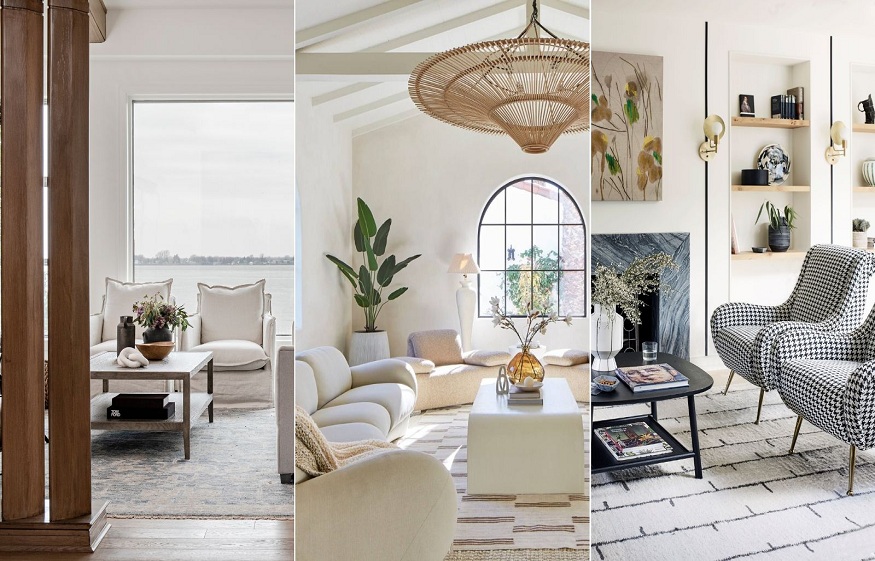
Thoughtful design often works quietly. It is not the centrepiece that draws attention but the structure that shapes how people move, interact, and feel. Whether in an office, a school, a café, or a transport hub, good design is about making daily life flow better. The most effective ideas are those that appear obvious once in place, as though they were always meant to be there. These improvements do not shout for recognition, but they transform how we experience the spaces we use every day.
The Hidden Impact of Small Choices
In every building, countless small design choices influence comfort, efficiency, and perception. A well-lit corridor, clear signage, or an intuitive layout helps people navigate without conscious thought. The absence of obstacles is not an accident but a result of intention. When spaces anticipate movement and needs, users can focus on what matters rather than on how to get there. The effect may go unnoticed, but it defines the success of a building far more than grand architectural gestures ever could.
Creating Flow and Reducing Friction
Flow is what separates a good space from a frustrating one. It is the ease with which people move through environments and interact with them. Design that supports this flow makes daily routines smoother. Entrances that handle traffic efficiently, seating positioned for comfort and communication, and lighting that shifts naturally through the day all reduce friction. The result is less stress and more productivity, whether in a workplace or a public setting. Every decision that reduces interruption allows people to stay engaged with their task rather than the space itself.
Read More: Discover the Best Portable Range Hood for Your Kitchen in 2026
Designing for Human Patterns
All spaces are shaped by the rhythms of human activity. Offices peak in the morning, schools hum with energy between lessons, and transport systems pulse with daily commutes. The most successful designs respond to these cycles. A space that feels open and bright at busy times, but quiet and intimate when traffic slows, serves more people more effectively. Good design adapts without requiring anyone to think about it. This is what makes an environment feel natural. It aligns with human habits rather than asking people to adjust to it.
Comfort as a Measure of Success
A well-designed space is one that puts people at ease. Comfort is not only physical but emotional. It includes temperature, light, acoustics, and even the sense of cleanliness. If a meeting room is too cold, a corridor too dim, or a facility hard to find, attention shifts from purpose to problem. When these issues are resolved through design, users feel calm and capable. This sense of comfort translates into better work, happier customers, and smoother interactions. It is not about luxury but about understanding what people need to feel at ease.
Simplicity as a Design Principle
In business environments, simplicity saves time and builds confidence. A visitor should know instinctively where to go. A colleague should not have to think twice about how to adjust lighting or access shared facilities. Design should remove uncertainty. Clear visual cues, logical layouts, and intuitive technology allow people to act naturally. When processes are simple, frustration decreases, and productivity increases. The mark of a thoughtful environment is that it feels easy, even when it supports complex activity behind the scenes.
The Role of Technology in Seamless Design
Technology now shapes almost every space, yet it works best when invisible. Automation and smart systems can adjust temperature, control lighting, and monitor occupancy without intrusion. These tools are most effective when they serve people quietly. The goal is to create an environment that works with minimal intervention. In public and commercial washrooms, for example, automatic fixtures such as hand dryers provide convenience and hygiene without demanding attention. They show how technology can enhance experience by blending into the background, supporting rather than interrupting daily flow.
Maintaining Clarity in Shared Spaces
Shared environments such as offices, libraries, and healthcare facilities serve many people with different needs. The challenge for designers is to ensure clarity without complexity. Wayfinding systems, signage, and subtle zoning can guide users gently without clutter or confusion. When people can find what they need easily, they feel more comfortable and confident in the space. This sense of order promotes efficiency and reduces stress, turning even busy environments into places of calm productivity.
Anticipating Needs Before They Arise
The most successful spaces are those that meet needs people have not yet recognised. Designers achieve this by studying behaviour and observing how people interact with their environment. If a corridor always becomes crowded, if a waiting area feels tense, or if a workspace accumulates clutter, these are signals for improvement. Anticipating such issues and addressing them through layout, furniture, or lighting prevents problems before they occur. The best design feels as though it has already solved the question before anyone has to ask it.
Design That Builds Trust
In business, trust is built through reliability and experience. The same principle applies to physical spaces. When a building works as expected, people trust it. They know where to go, how to use what they need, and what to expect next. This consistency reflects on the organisation as a whole. A well-designed environment communicates care and professionalism without saying a word. It tells visitors and staff alike that their time and comfort matter.
A Broader View of Value
When budgets are tight, design is often seen as a luxury. In reality, it is one of the most practical investments an organisation can make. Small, thoughtful improvements accumulate into significant gains in efficiency and satisfaction. Better lighting can reduce energy use and eye strain. Improved layouts can cut maintenance costs and downtime. Facilities that anticipate user needs require fewer corrections later. Design is not about appearance but about performance, measured by how smoothly a space supports the work and lives of the people who use it.
Looking Toward the Future
As work patterns and lifestyles evolve, design must adapt. Hybrid working, urban living, and growing environmental awareness all shape how we think about space. Flexibility and sustainability will define the next generation of workplaces and public environments. Materials that last, layouts that adapt, and technologies that save energy without sacrificing comfort will become the norm. What will remain constant is the need for spaces that feel natural, intuitive, and supportive of human life.
For wider commercial, hospitality, or public-facing projects, small supporting details can make the finished space feel more complete. Composite decking can provide a durable, low-maintenance surface for terraces, entrances, outdoor seating areas, and customer-facing spaces; while traditional signage can add character, direction, and brand presence; while digital signage can share changing information, promotions, menus, or wayfinding updates clearly.
Read More: Why Hiring an Experienced Electrician Cedar Park Specialist Is a Smart Move for Any Project
Conclusion
Thoughtful design elevates everyday experience not through spectacle but through subtlety. It works quietly, smoothing edges, simplifying choices, and removing distractions. When a building, a system, or a product functions so well that users forget about it entirely, it has achieved its goal. This is the invisible success of design. It is not about what people notice, but about what they do not. The most effective spaces enable life to happen naturally, without friction or confusion. When form and function align, design stops being an obstacle and becomes a partner in how we live, work, and interact every day.